Date
6 nights / 7 days
Oct 12th- 18th,2026
Price
480,000 JPY
Difficulty level
★★★☆☆
Average Distance 65 km / day
Kyushu Coast‑to‑Volcano Cycling Tour is a 6‑night, 7‑day journey that follows one of Japan’s most diverse and dramatic routes. Starting on the coast in Karatsu and Sasebo, the tour continues to the remote beauty of the Goto Islands before riding into the historic city of Nagasaki. From there, the landscape shifts inland toward Kumamoto and the wide grasslands of Aso, where volcanic scenery surrounds you at every turn. The final stretch leads into the hot‑spring town of Yufuin, a peaceful place to unwind after a week of riding. Held in October, the tour offers ideal temperatures, clear views, and a perfect blend of coastline, islands, history, and mountain landscapes.
This tour is guaranteed to depart with a minimum of 2 participants; however, if the number of participants does not reach the minimum 90 days prior to the departure date, the tour will be released.
The maximum number of participants is 10, and registration will close once this limit is reached.
If you book a single room, there will be an additional charge of 5,000 JPY per night.
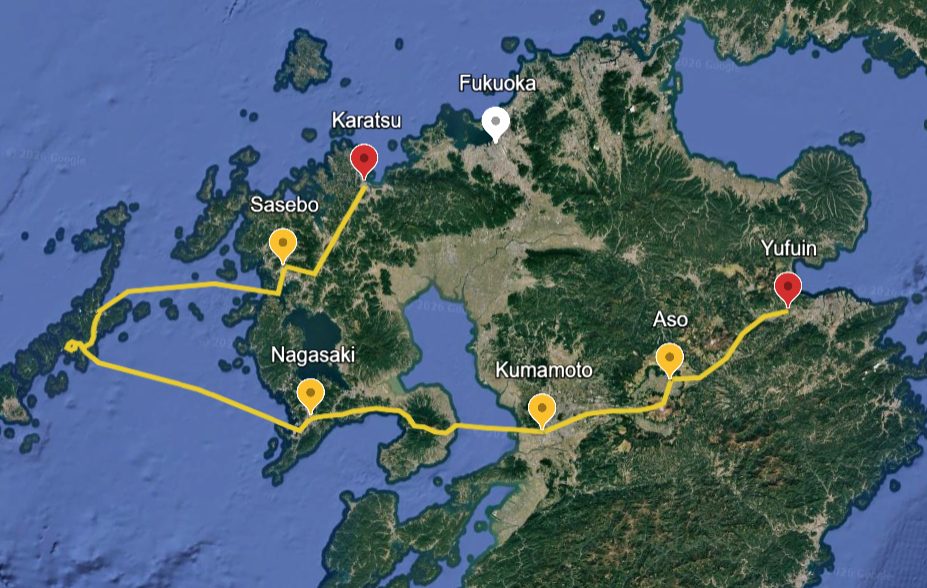
| Day | Destination | Distance | Hotel | note |
|---|---|---|---|---|
| Day1 | Karatsu | Mercure Saga Karatsu Resort | Meet up and Welcome party | |
| Day2 | Sasebo | 62km | Washington Hotel Sasebo | |
| Day3 | Nagasaki | 45km | Candeo Hotel Nagasaki | |
| Day4 | Kumamoto | 77km | Kumamoto Hotel Castle | |
| Day5 | Aso | 60km | Yumeoisou | |
| Day6 | Yufuin | 77km | Shuhokan | |
| Day7 | Deperture |
The hotels listed above are currently on tentative hold. Depending on the number of participants and overall circumstances, they may be changed to another hotel of the same standard. Thank you for your understanding.
The distances shown above are approximate. They may vary depending on road conditions, as the route may be adjusted accordingly.
Highlights
Day1 Welcome to Karatsu
We meet in the coastal town of Karatsu for a relaxed welcome evening that sets the tone for the week ahead. It’s a chance to get to know your guides and fellow riders, review the route, and enjoy local food in a friendly atmosphere. October brings comfortable temperatures and clear skies, making it an ideal time to begin the journey. This first night is all about settling in, sharing expectations, and preparing for the diverse landscapes you’ll experience—from seaside roads to volcanic highlands. By the end of the evening, you’ll feel ready and excited to start riding across Kyushu.
Day2 Karatsu to Sasebo via Imari
Our first ride takes us from Karatsu toward Sasebo, passing through the town of Imari, known for its pottery and traditional craftsmanship. The route blends coastal scenery with quiet countryside roads, offering a gentle introduction to Kyushu’s varied landscapes. As we approach Sasebo, the atmosphere shifts—this region has long been a gateway for Western influence in Japan, and you’ll notice hints of that history in the architecture and food culture. It’s a day that combines scenic riding with cultural discovery, ending in a lively port city with a unique blend of Japanese and international character.
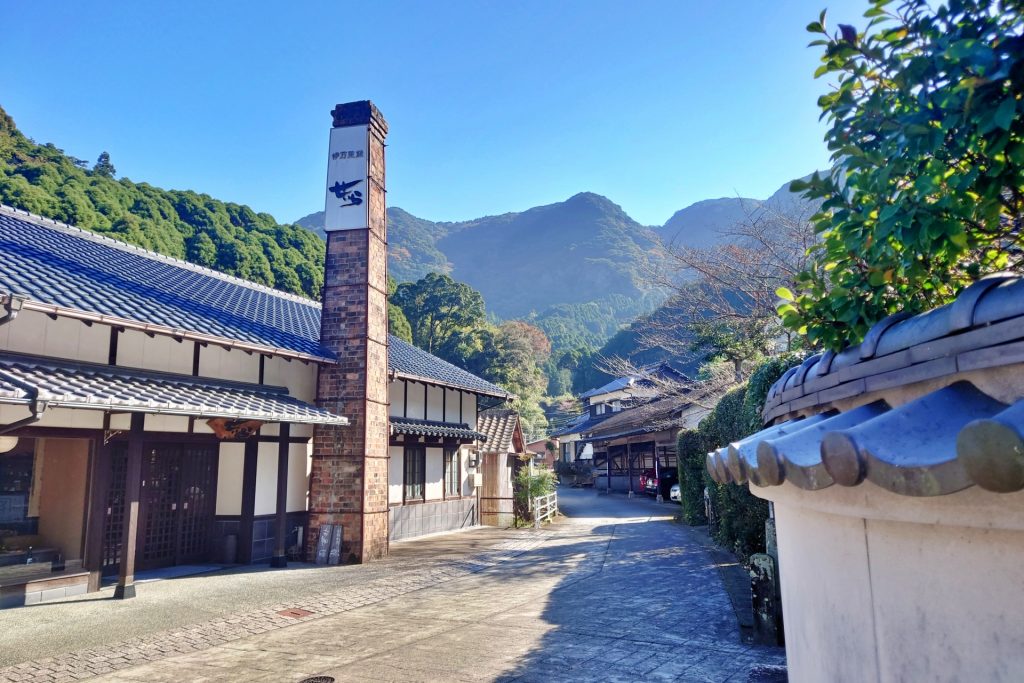
Day3 Ferry to the Islands and Coastal Riding
We leave Sasebo by ferry and sail to one of the Goto Islands, known for their peaceful villages, open coastline, and traces of early Western influence. The island ride is a highlight of the tour, with sweeping ocean views, quiet roads, and small churches that reflect the area’s layered history. The pace is relaxed, giving you time to enjoy the scenery and the island’s gentle rhythm. After the ride, we return by ferry to Nagasaki, arriving in a city shaped by centuries of cultural exchange. It’s a memorable day that blends island landscapes with maritime travel.
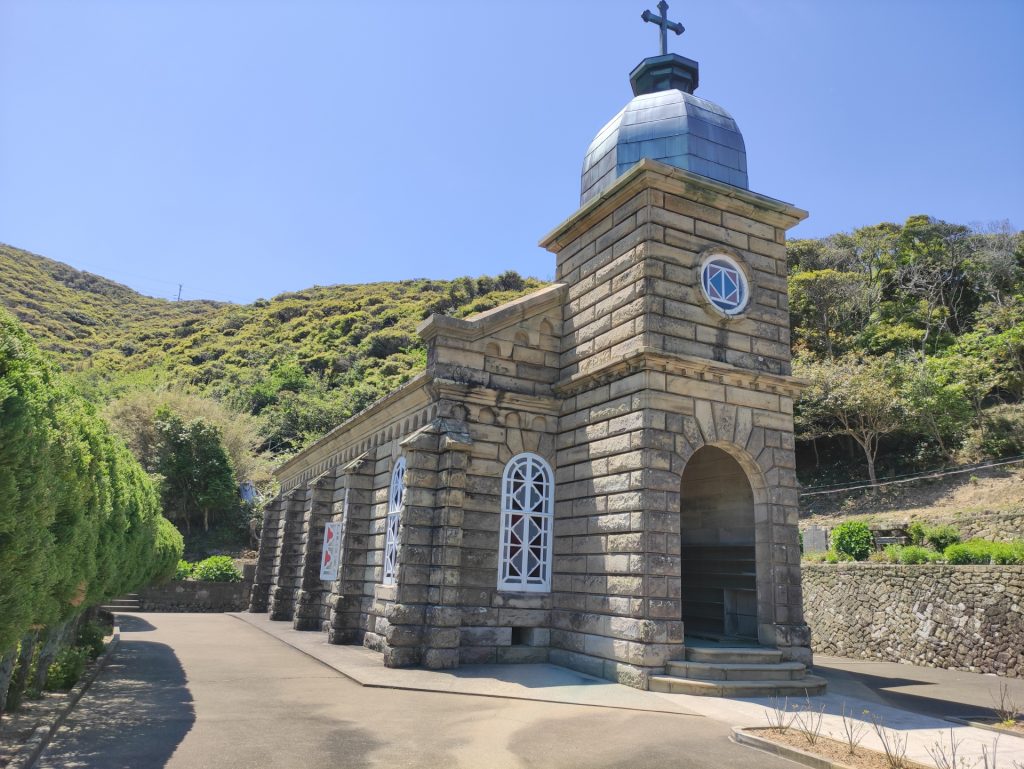
Day4 Nagasaki to Kumamoto via Unzen
Today’s ride takes us inland from Nagasaki toward the volcanic highlands of Unzen. The climb is steady and scenic, with views of forests, valleys, and steaming geothermal areas. We stop at a well‑known hot‑spring zone to learn about the connection between volcanoes and Japan’s bathing culture. From there, we continue toward the coast and cross into Kumamoto by ferry. The day offers a mix of challenging climbs, cultural stops, and shifting landscapes—from port city to mountain plateau to quiet rural towns. It’s one of the most varied and rewarding days of the tour.
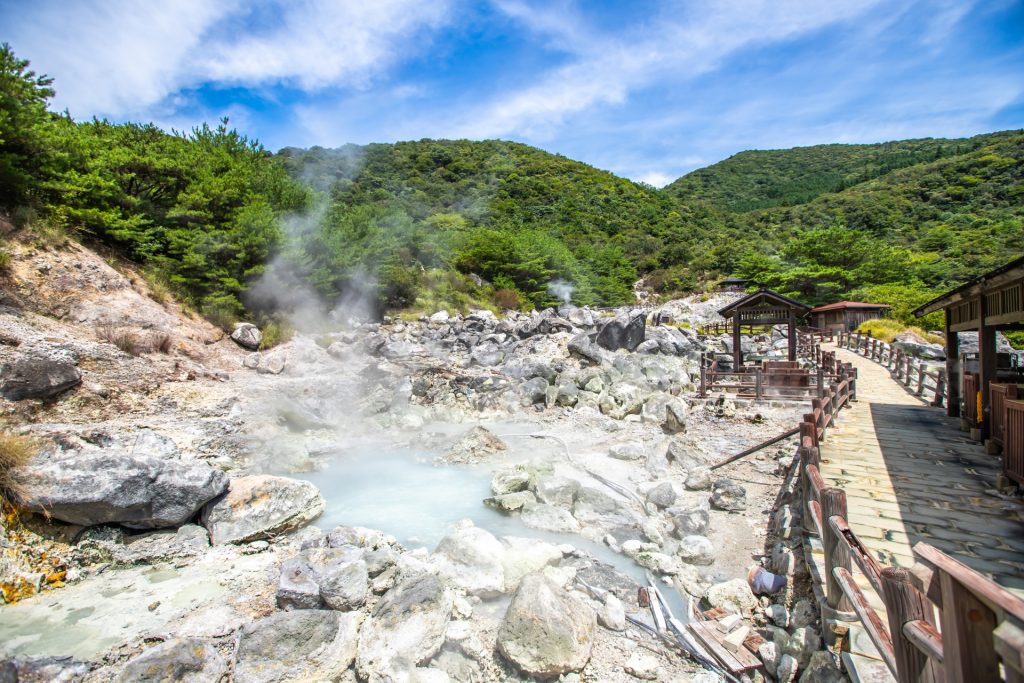
Day5 Riding into the Aso Highlands
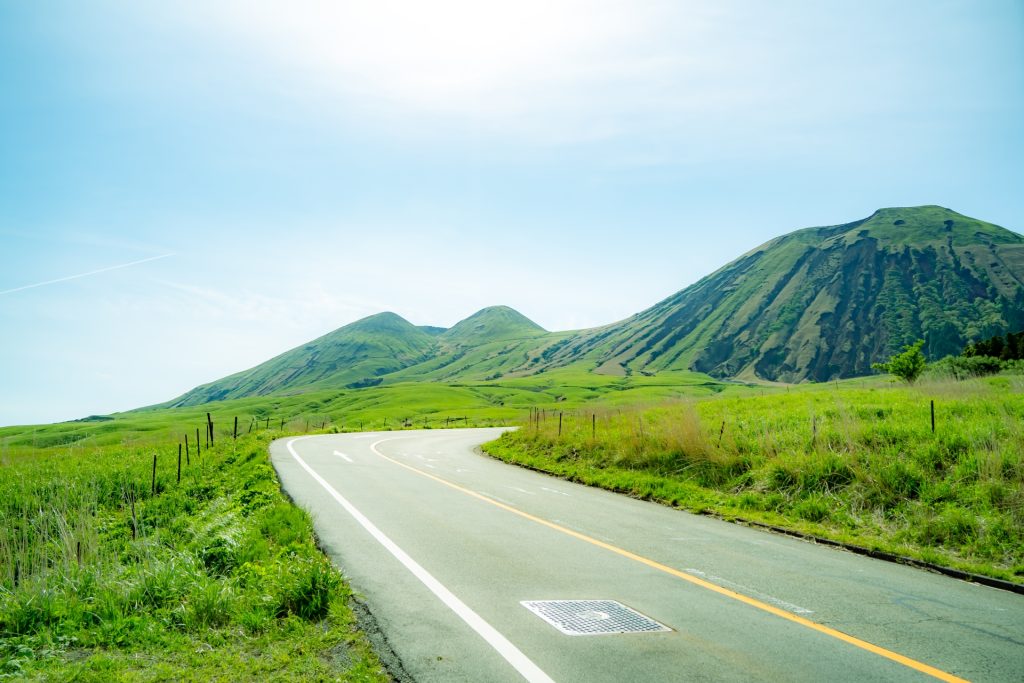
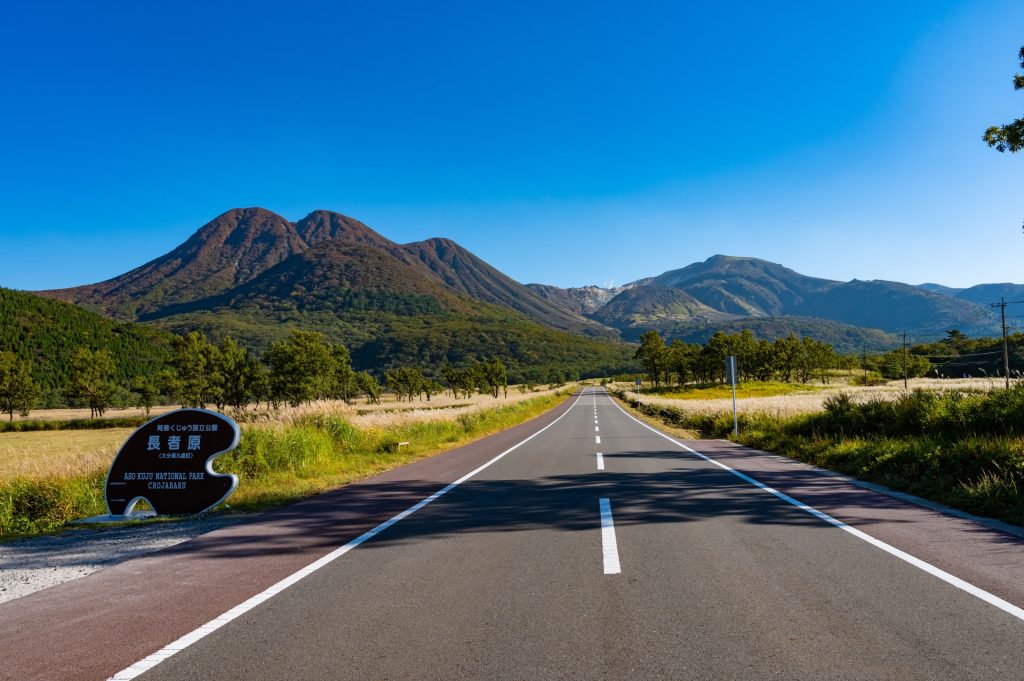
We leave Kumamoto and ride toward the wide grasslands of Aso, one of Japan’s most impressive volcanic regions. The scenery opens dramatically as we approach the caldera, with rolling hills, open skies, and long sweeping roads. The climbs are steady but rewarding, and the views make every effort worthwhile. This is a day to enjoy the scale of Kyushu’s landscapes and the feeling of riding deep into the mountains. We stay overnight in the Aso area, giving you time to relax, enjoy local food, and take in the quiet atmosphere of the highlands.
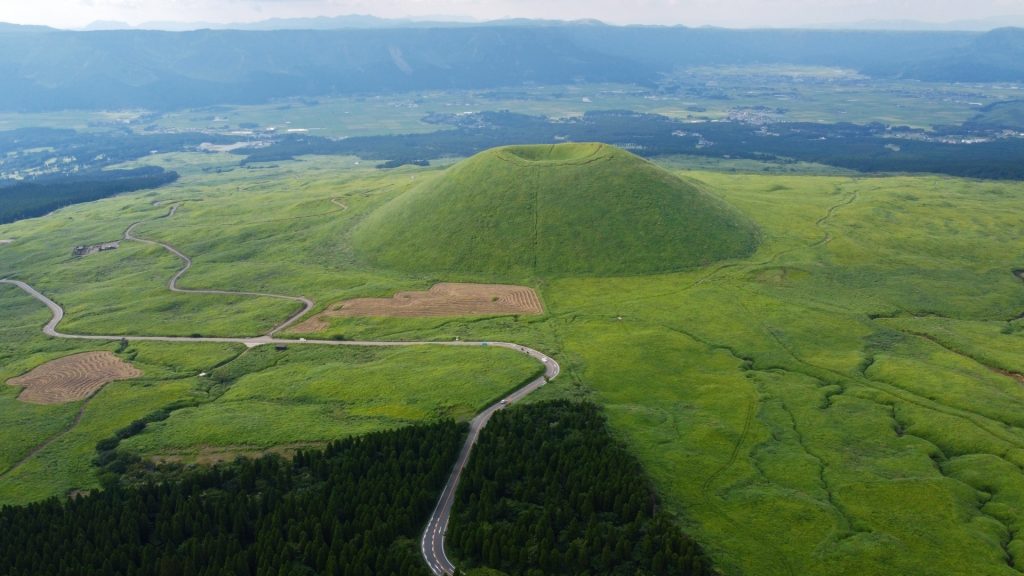
Day6 Aso to Yufuin over Mountain Passes
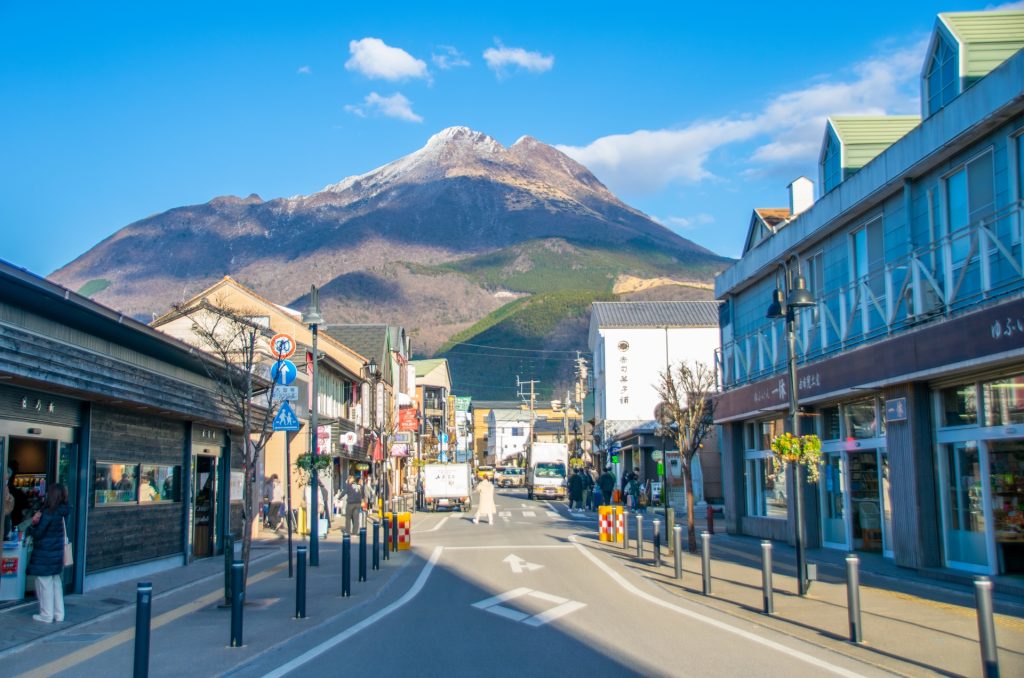
Our final riding day takes us from Aso across the Kuju mountain range toward the hot‑spring town of Yufuin. The route includes long climbs and wide‑open views, with some of the most dramatic scenery of the entire tour. As we descend toward Yufuin, the landscape softens into farmland and forest, leading to a peaceful town known for its relaxing hot springs. After a week of riding across Kyushu, soaking in an onsen feels like a well‑earned reward. It’s a beautiful and satisfying way to end the cycling journey.
Day7 Departure
After breakfast, the tour comes to a close. You can continue your travels by train, bus, or plane, or stay longer to enjoy Yufuin’s hot springs and cafés. It’s a gentle end to a week filled with coastline, islands, mountains, and the diverse culture of Kyushu.
This tour is suited for riders with a solid level of fitness. The average daily distance is around 65 km, and several days include long climbs with over 1,500 m of elevation gain. The routes combine coastal roads, rolling countryside, and mountain ascents, offering a rewarding mix of scenery and challenge. E‑bike riders can enjoy the climbs with confidence—battery capacity is more than sufficient, even on the longest days. Regular breaks and planned refueling stops help keep your energy steady throughout the ride.
A support vehicle accompanies the group at all times, carrying luggage and providing assistance whenever needed. If you feel tired or prefer to skip a climb, you can switch to the support car at any point and rejoin the group later. This flexibility allows riders of different levels to enjoy the journey comfortably.
Note: For road bike riders, the difficulty rating is 4 due to the sustained climbs and longer elevation days.
Inclusions
- Lodging
- Rental Bike
- Guide - English-speaking guides ride with you for safety, navigation, and local insights
- Shuttle - A support van follows the group and carries all belongings
- Breakfast, lunch and dinner - At hotel or local restaurant
- Refreshments - While cycling
- Entrance fee - For sightseeing spots
Exclusions
- Airport Pickup and Drop
- Beverages - Alcohol, tea, and coffee at the hotel and restaurant
- Rain jacket & cold weather gear
Arriving in Karatsu
From Tokyo
- Take a domestic flight to Fukuoka Airport (approx. 1 hour 45 minutes).
- Take the subway to Hakata Station (approx. 5 minutes).
- Transfer to the JR line to Karatsu Station (approx. 1 hour 20 minutes).
From Osaka/Kyoto
- Take the Shinkansen to Hakata Station (approx. 2.5 hours).
- Transfer to the JR line to Karatsu Station (approx. 1 hour 20 minutes).
From Hiroshima
- Take the express bus from Tenjin to Karatsu (approx. 1 hour 10 minutes),
Or take the JR line from Hakata Station to Karatsu Station (approx. 1 hour 25 minutes).
Departing from Yufuin
To Tokyo
- Take a local train from Yufuin Station to Ōita Station (approx. 50 minutes).
- Transfer to a limited express train to Hakata Station (approx. 2 hours).
- Fly from Fukuoka Airport to Haneda Airport (approx. 1 hour 45 minutes).
To Osaka
- Take a local train from Yufuin Station to Ōita Station (approx. 50 minutes).
- Transfer to a limited express train to Hakata Station (approx. 2 hours).
- Fly from Fukuoka Airport to Itami Airport (approx. 1 hour 10 minutes).
To Fukuoka
- Take a direct highway bus from Yufuin Bus Terminal to Hakata Bus Terminal (approx. 2 hours 20 minutes).
Or take a local train from Yufuin Station to Ōita Station, then a limited express train to Hakata Station (approx. 2.5 hours total).
We provide domestic insurance coverage for basic adventure tours within Japan. However, please note that any medical expenses incurred outside of Japan—such as treatment for injuries discovered after returning to your home country—are not covered. We strongly recommend purchasing travel insurance in your home country that includes adventure tour coverage.
Cuctomer Review
Guest Stories
Guest Interview: Cycling Through Highlights of Shikoku in October 2025
Guest voices from our October tour: cycling Shikoku’s best with heart, challenge, and connection.
 Shikoku Adventure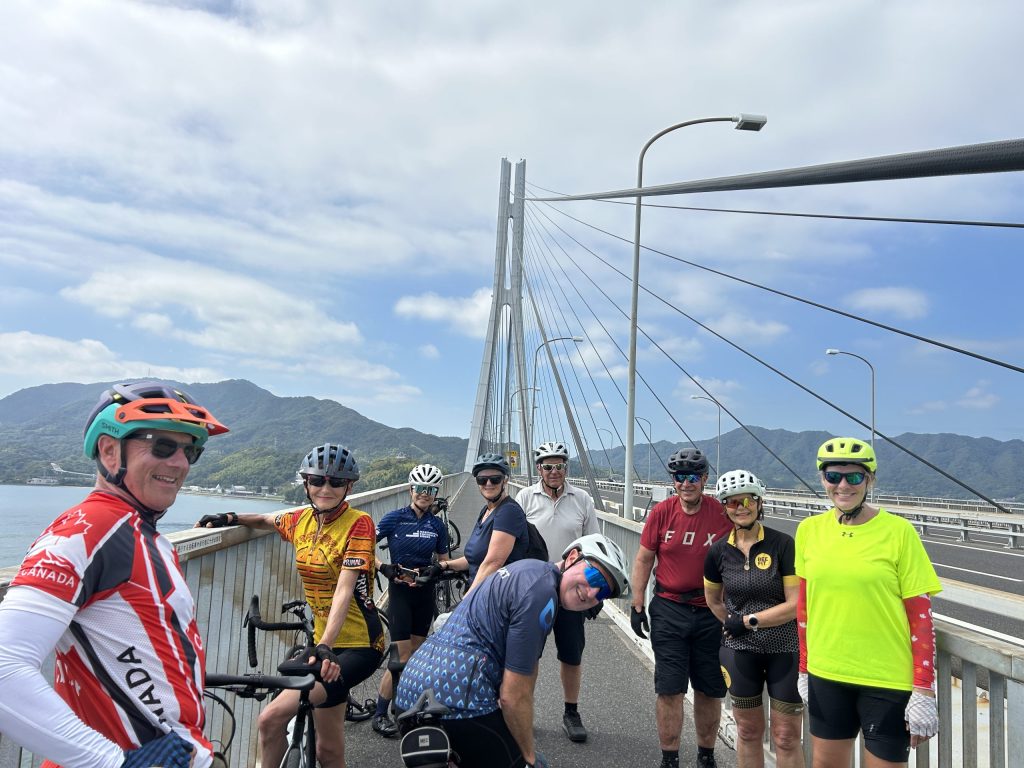
Guest Interview: Cycling Through Highlights of Shikoku in September 2025
Guest interview from our first 2025 autumn tour: a cycling duo from New Zealand shares their impressions of Shikoku’s landscapes.