Off‑Season Preparation for Exceptional Cycling and Private Tours in Shikoku
 Fumiya
Contents
- 1 How ShikokuAdventure builds safety, quality, and authenticity into every journey
- 2 Why Off‑Season Preparation Matters for the Best Shikoku Tours
- 3 Deep Maintenance of Our Cycling Fleet
- 4 Scouting and Testing New Routes Across Shikoku
- 5 Professional Guide Training on a Shikoku‑Crossing Tour
- 6 Preparing and Upgrading Essential Gear
- 7 Reviewing Wilderness First Aid (WFA) Skills
- 8 Seasonal Cultural Research and Local Insights
- 9 Individual Guide Development: Off‑Season Fieldwork
- 10 How These Preparations Enhance Your Journey Through Shikoku
- 11 Ready for Your Next Shikoku Adventure
How ShikokuAdventure builds safety, quality, and authenticity into every journey
Delivering an unforgettable cycling tour in Shikoku requires far more than scenic routes and friendly guides. Behind every smooth ride, every meaningful cultural encounter, and every safe adventure lies months of careful preparation. While many travellers picture spring and autumn as the ideal seasons for cycling in Japan, the quiet winter months are when our team does some of its most important work.
From deep maintenance of our cycling fleet to professional guide training, from scouting new routes to refreshing wilderness first aid skills, the off‑season is when we strengthen the foundation of our private tours and Shikoku‑based adventure programs. This article offers a transparent look behind the scenes—and shows how these efforts directly enhance your next journey.
Why Off‑Season Preparation Matters for the Best Shikoku Tours
Travellers today expect more than sightseeing. They want safety, authenticity, cultural depth, and a sense of connection.
Shikoku, with its mountains, rivers, pilgrimage temples, and quiet rural towns, offers a rare blend of nature and culture. But delivering a seamless cycling experience across this diverse landscape requires meticulous preparation—especially because many of our routes pass through remote areas where conditions shift with the seasons.
The off‑season is our opportunity to refine every detail.
Deep Maintenance of Our Cycling Fleet
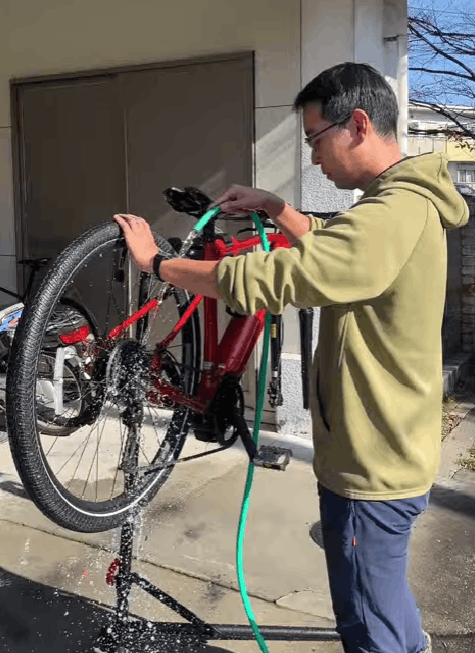

A great cycling tour begins with a reliable bike. During winter, our mechanics and guides work together to perform full inspections and servicing on every bicycle and e‑bike in our fleet.
- Drivetrain cleaning and replacement
- Brake and cable checks
- Tyre and wheel inspections
- Battery health checks for e‑bikes
- Test rides
For guests joining an e‑bike tour or long‑distance cycling itinerary, this level of maintenance ensures comfort, safety, and smooth performance. A well‑tuned bike allows guests to focus on scenery, culture, and conversation—not mechanical issues.
Scouting and Testing New Routes Across Shikoku
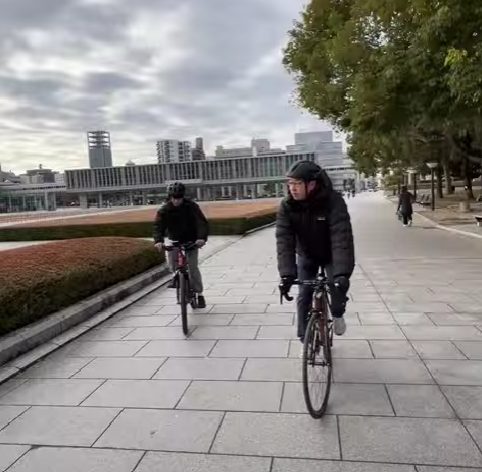
Shikoku’s landscapes change dramatically with the seasons. Winter is the ideal time for our team to explore new routes, evaluate safety conditions, and identify cultural highlights.
During route‑scouting rides, we examine:
- Road surfaces and gradients
- Traffic patterns
- Seasonal hazards such as fallen branches or landslides
- Resupply points, cafés, and rest areas
- Scenic photography spots
- Cultural sites that enrich storytelling
These scouting missions help us design routes that balance challenge and enjoyment—perfect for travellers seeking authentic experiences beyond major tourist centres.
Professional Guide Training on a Shikoku‑Crossing Tour
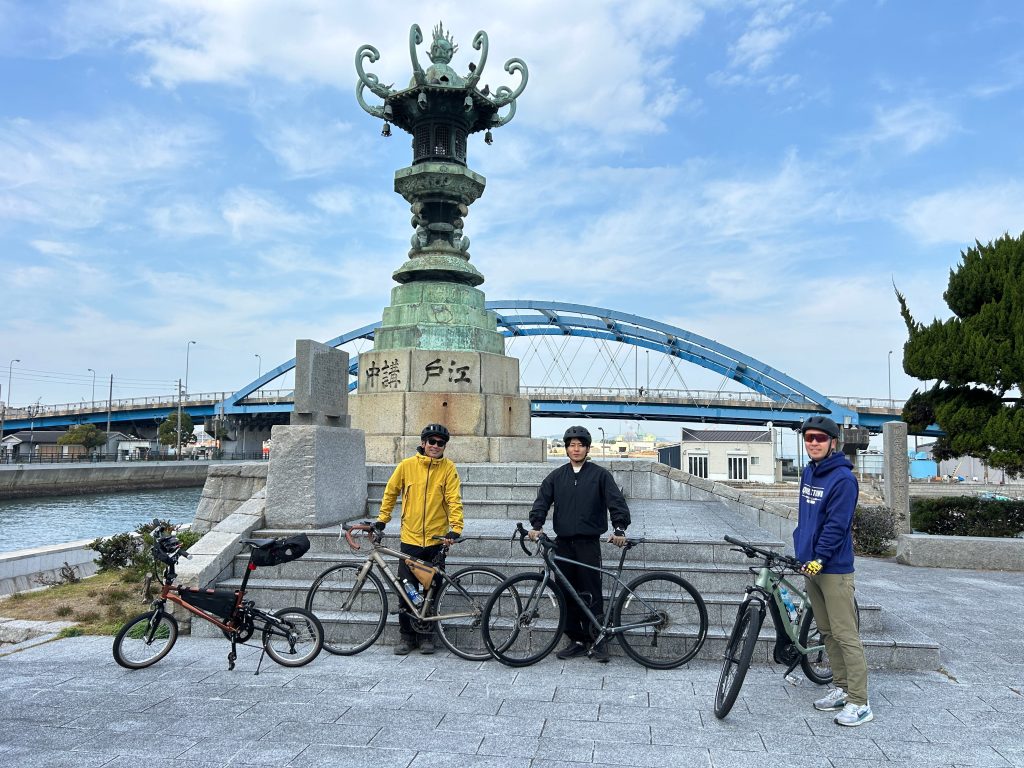
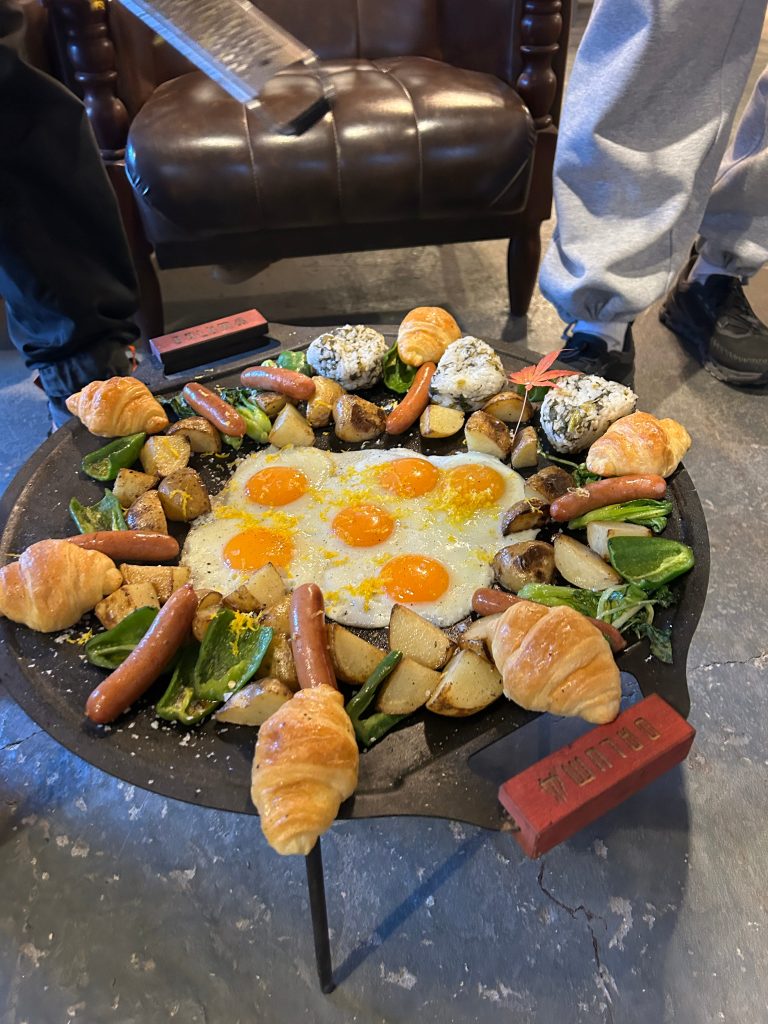
This winter, our guides participated in a professional training program built around a full Shikoku‑crossing tour. Learning directly from experienced expedition leaders, they gained practical insight into:
- How to share the stories and cultural background of each region
- How to maintain guest safety across long distances
- How to manage pacing, rest timing, and group flow
- How to structure a multi‑day tour so it feels cohesive and meaningful
This hands‑on training strengthened our guides’ ability to lead guests confidently through Shikoku’s varied landscapes—mountains, coastlines, pilgrimage towns, and rural valleys—while ensuring a safe and enjoyable experience.
Preparing and Upgrading Essential Gear
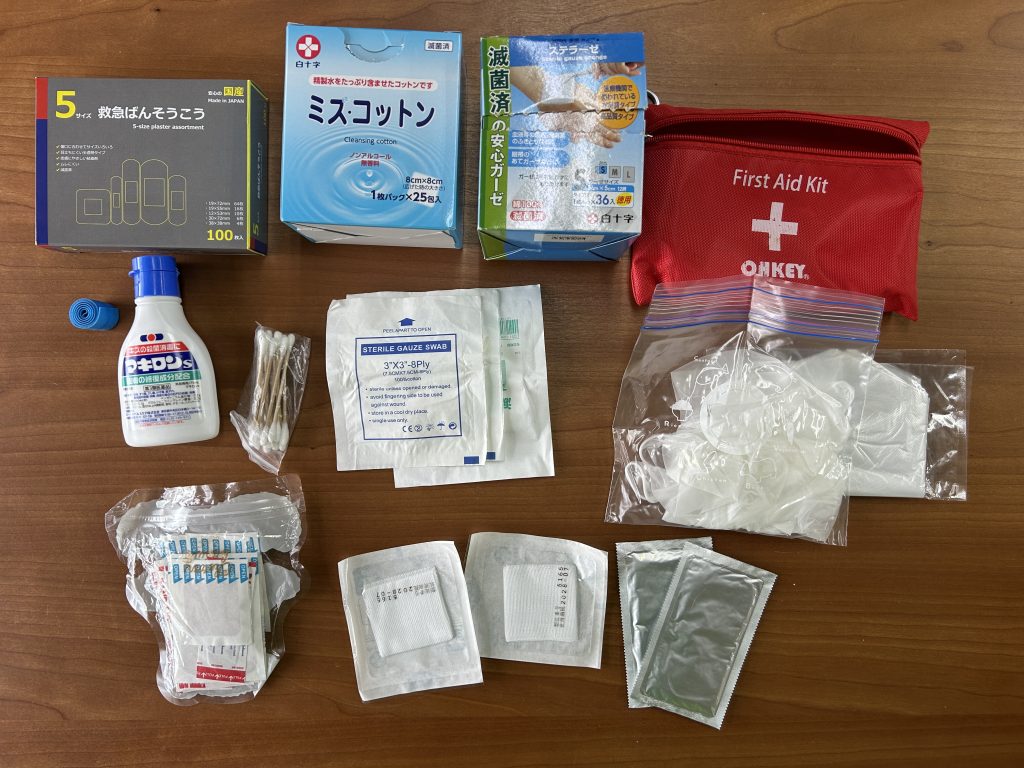
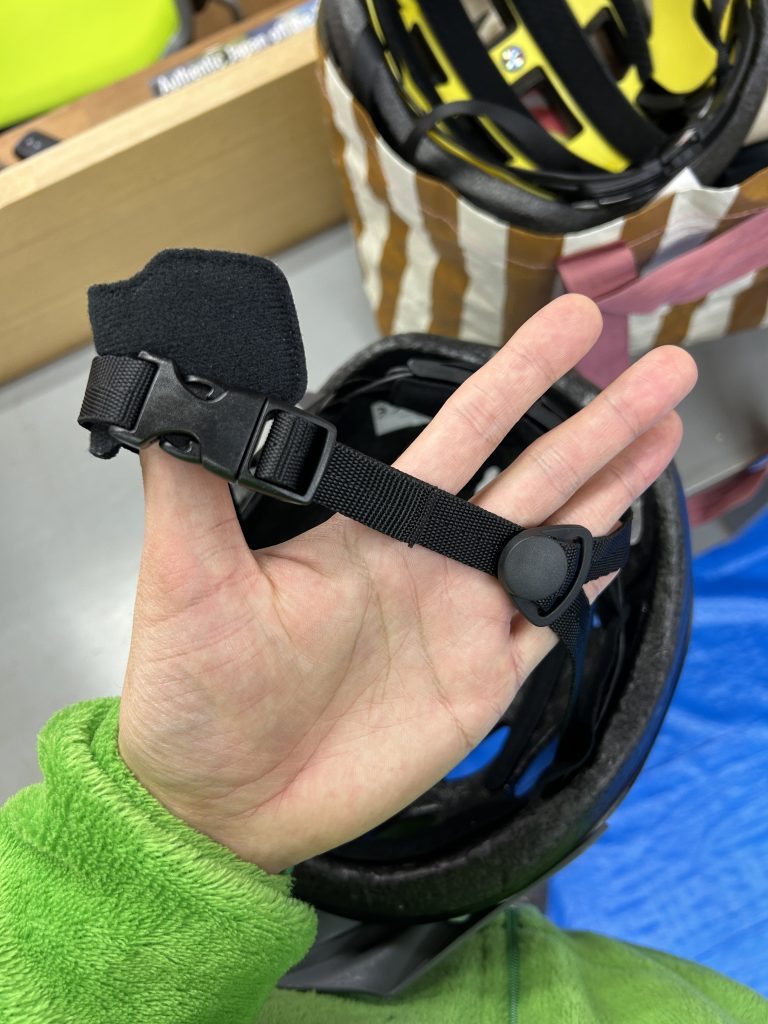
Equipment readiness is a core part of our safety philosophy. Winter is when we repair, replace, and upgrade gear used on our private tours.
- Helmet repairs and strap replacements
- First‑aid kit restocking
- Lighting system checks
- Support‑vehicle equipment inspections
These steps ensure that every tour begins with reliable, well‑maintained gear—an essential part of delivering high‑quality experiences.
Reviewing Wilderness First Aid (WFA) Skills
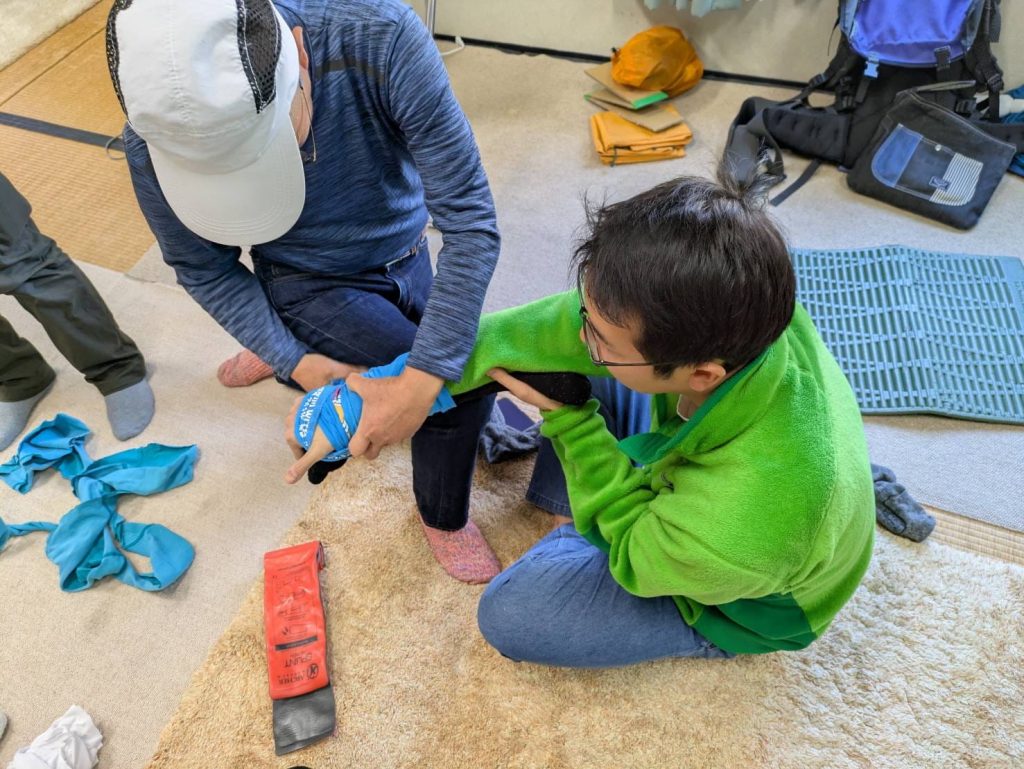
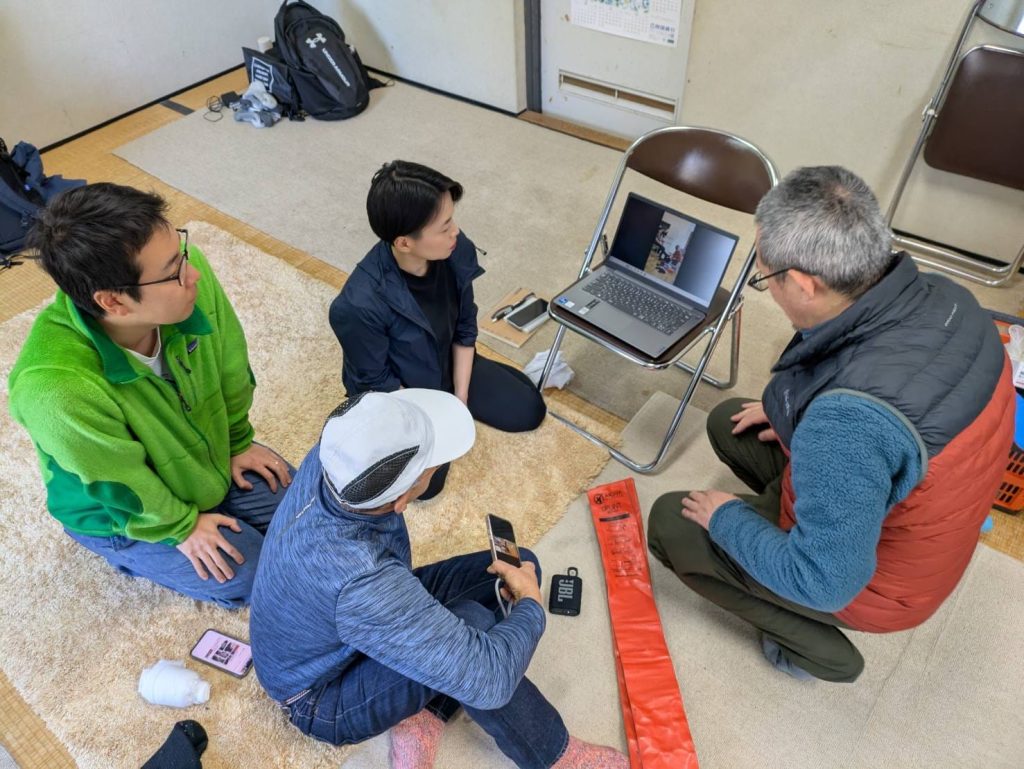
To prepare for the upcoming season, our team held a volunteer‑based review session of Wilderness First Aid skills. While our tours rarely travel into areas completely out of reach of emergency services, we believe in keeping our knowledge fresh.
The review focused on:
- Responding to hypothermia
- Stabilising arm and leg injuries
- Conducting full‑body assessments
- Reinforcing calm, clear decision‑making
These sessions help prevent knowledge fade and ensure that our guides remain confident and capable, even in unexpected situations.
Seasonal Cultural Research and Local Insights
Authentic cultural interpretation is one of the strengths of our Shikoku‑based programs. During the off‑season, our guides research:
- Upcoming festivals
- Local traditions
- Regional stories and folklore
- New cafés, inns, and artisans
- Changes in temple or shrine access
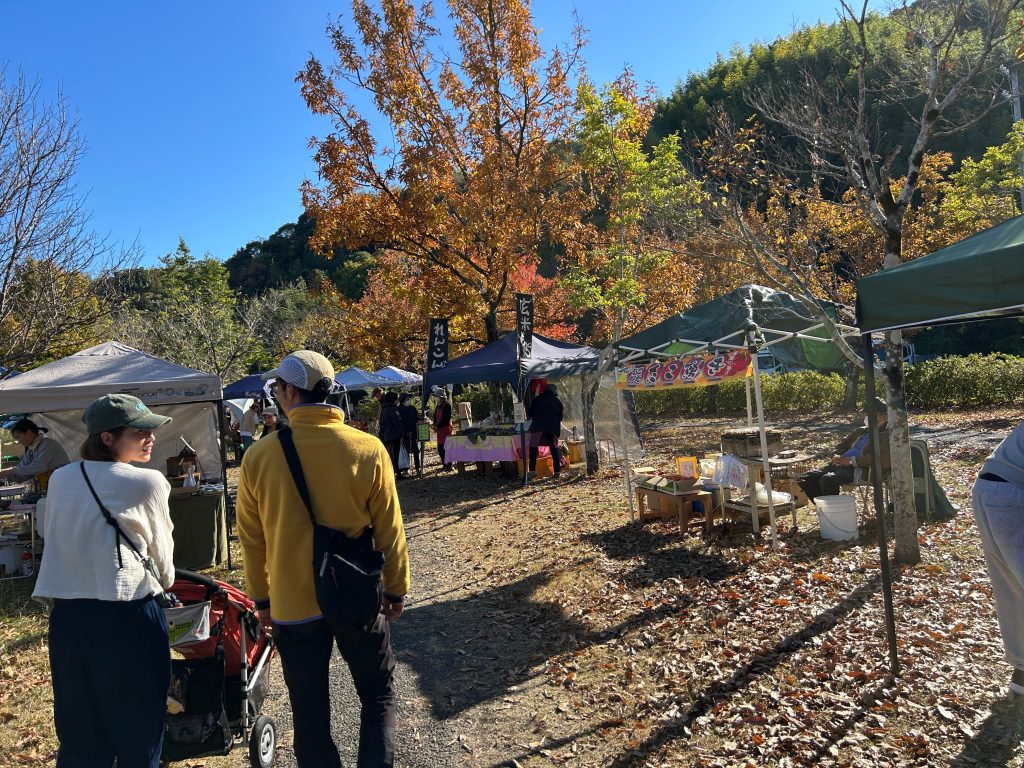
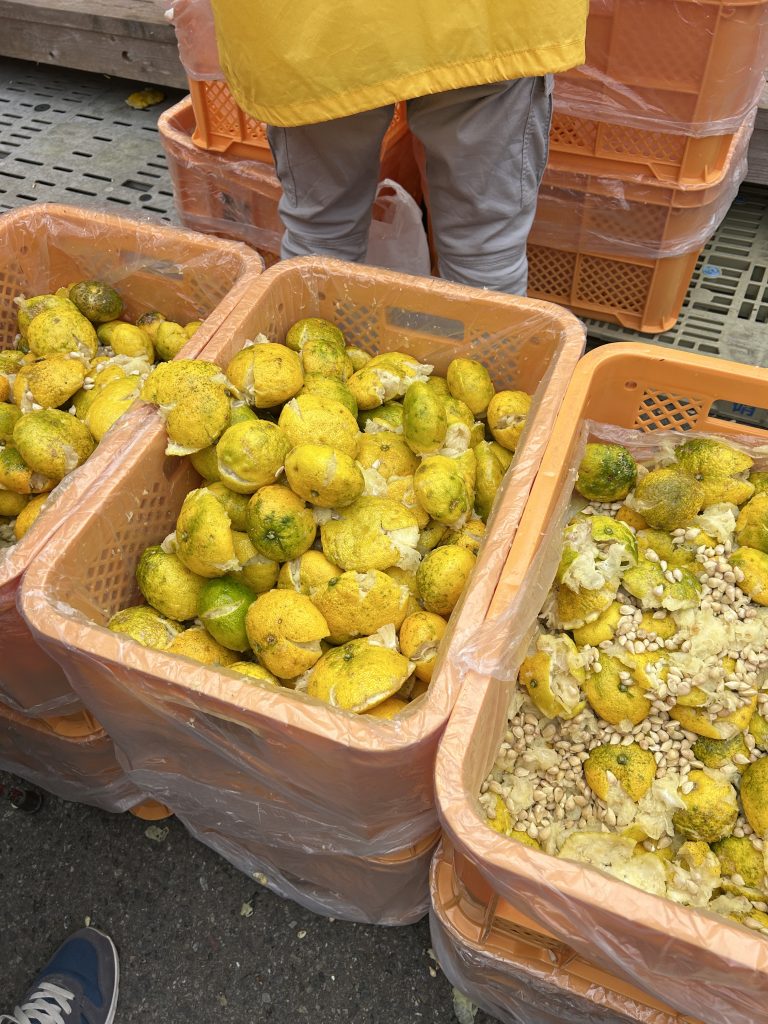
In early winter, our team also attended a local yuzu festival, deepening our understanding of one of Shikoku’s signature fruits. Speaking with growers and tasting regional products added new layers to the stories we share with guests.
This ongoing cultural research ensures that our tours reflect the living culture of Shikoku—not just historical facts.
Individual Guide Development: Off‑Season Fieldwork
Beyond team‑wide preparation, each guide undertakes personal training to deepen their expertise. These experiences directly enhance the quality of our tours.
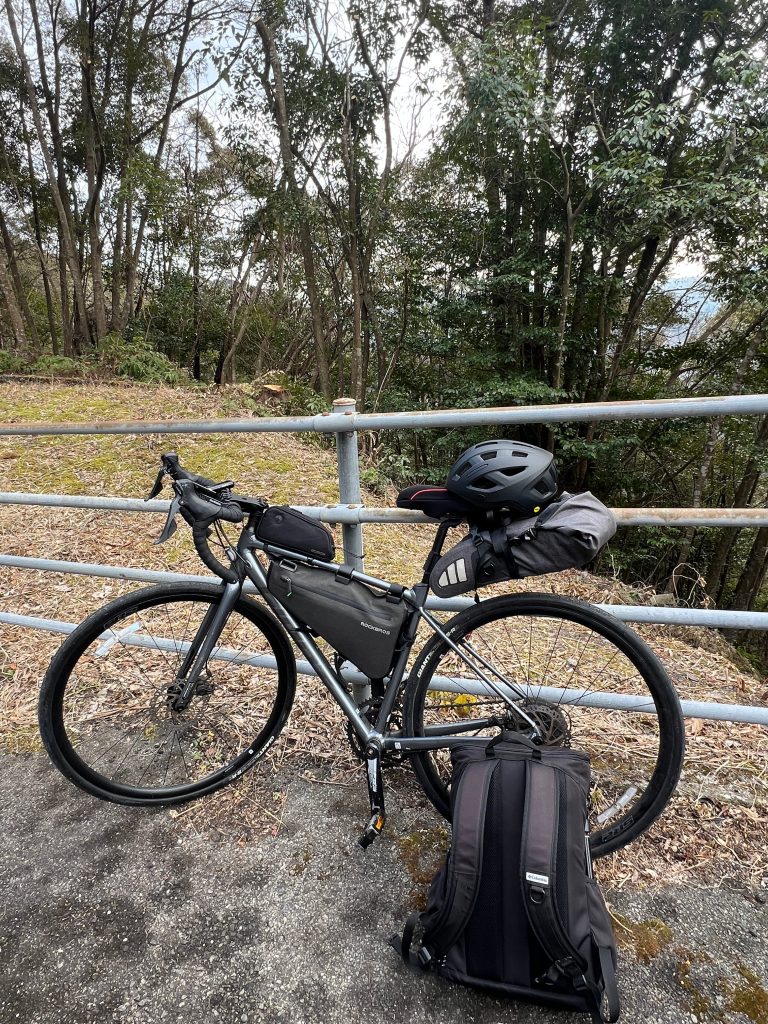
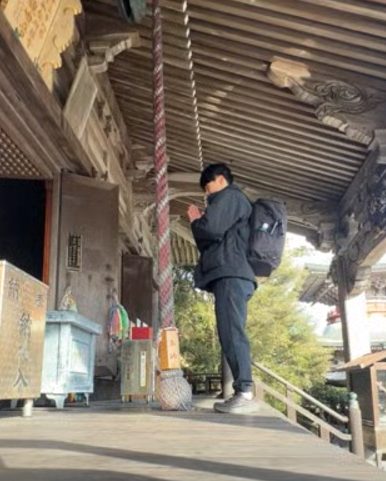
Naoya’s Field Research Ride: Cycling the Shikoku Pilgrimage Route
Purpose
Naoya’s multi‑day pilgrimage ride served as both a personal challenge and strategic research for future itineraries. His goals included:
- Reconfirming cultural and historical points at western Shikoku’s pilgrimage temples
- Collecting local stories from residents and temple staff
- Evaluating gradients, road surfaces, and resupply points
- Identifying scenic photography locations
- Gathering material to promote the region as “Authentic Japan”
- Strengthening physical conditioning with 80–100 km rides over high‑elevation terrain
Temple Observations
- Iwamoto‑ji (Temple 37) — Known for its 575 ceiling paintings, blending traditional and modern motifs. The atmosphere is open and community‑oriented.
- Kongōfuku‑ji (Temple 38) — Located at Cape Ashizuri, surrounded by dramatic cliffs and ocean views. Its scale creates a powerful sense of arrival.
- Enkō‑ji (Temple 39) — A modest mountain temple with a grounded, unembellished atmosphere. The red turtle legend adds local charm.
- Kanjizai‑ji (Temple 40) — Visited on a snowy morning. Well‑maintained grounds and warm staff left a lasting impression.
Reflections
Western Kochi is not heavily developed for tourism—but that is precisely its value. The Shimanto River basin, small shops, and local inns offer landscapes shaped by everyday life rather than commercial design. Encounters with locals revealed a slower rhythm of living rarely found in urban Japan.
Key Learnings
- Long‑distance success depends on preparation: nutrition, battery management, layering, and weather adaptation
- Pilgrimage motivations vary widely; guides must respect each traveller’s personal story
- Knowing when to stop is part of professionalism—safety outweighs pride
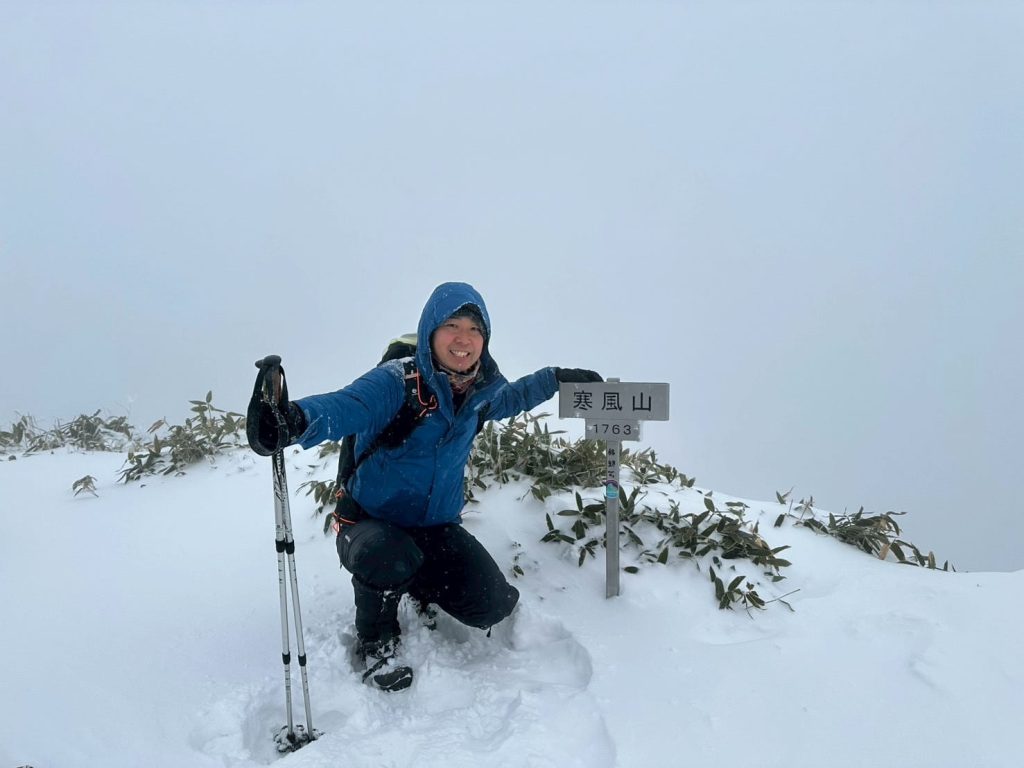
Fumiya’s Winter Mountain Training: Learning from Professional Snow Guides
Purpose
Fumiya joined a guided winter ascent of Mt. Kanpuzan (1,750 m) to deepen his understanding of:
- Snow‑mountain risk management
- Guide decision‑making
- Guest communication and emotional safety
- Winter conditions relevant to Shikoku’s mountains
Experience
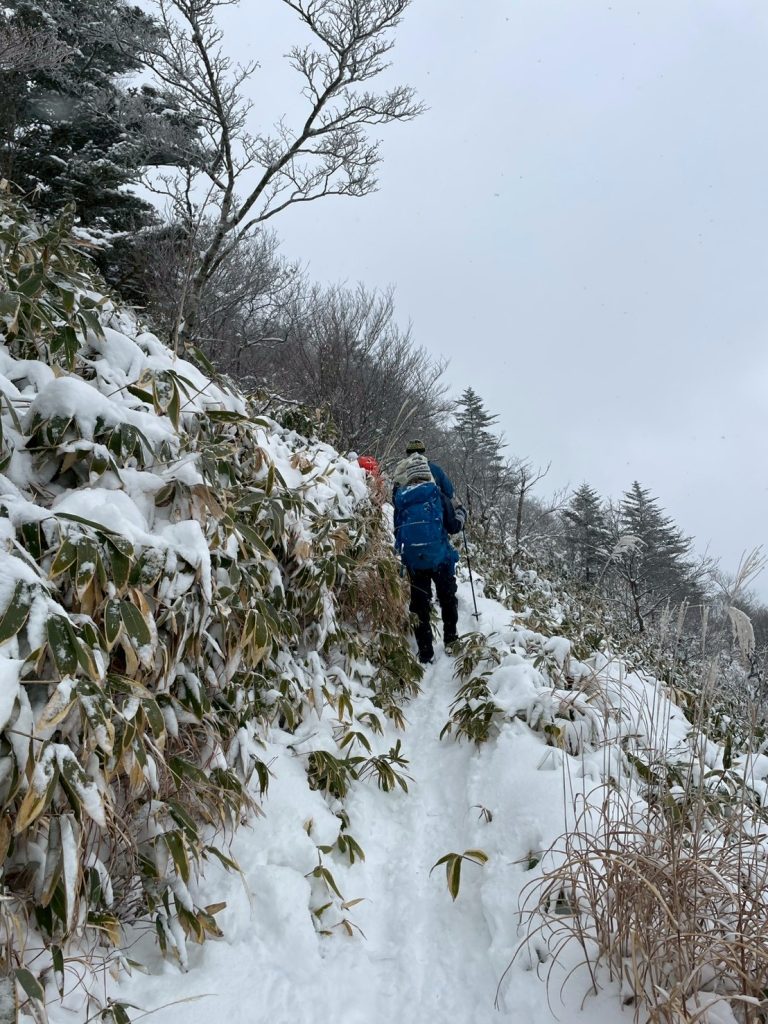
The climb took place after heavy snowfall. Although equipped with light crampons, the unexpected snow depth required a slower, more cautious ascent. Fumiya observed:
- Clear, precise instructions on walking technique and equipment use
- Regular, well‑timed breaks
- A critical decision point where the group was behind schedule; guides calmly assessed conditions before deciding whether to continue
Reflections
The guides’ confidence came not from showing off expertise but from quiet competence. Their communication style made guests feel safe and relaxed. Their experience “showed” rather than being spoken.
He concluded that a truly skilled guide prioritises guest comfort and safety above all—allowing their experience to naturally create trust.
How These Preparations Enhance Your Journey Through Shikoku
All of these off‑season efforts—mechanical, cultural, physical, and personal—directly improve the quality of our private tours and Shikoku‑based cycling programs.
Guests benefit through:
- Safer, smoother cycling experiences
- More accurate route planning
- Deeper cultural storytelling
- Stronger risk management
- Better communication and emotional support
- Authentic encounters with local people and traditions
This is what transforms a simple ride into a meaningful journey—one that connects landscapes, culture, and personal discovery.
Ready for Your Next Shikoku Adventure
As spring approaches, our team stands ready to welcome guests from around the world. Whether you’re joining an e‑bike tour, a long‑distance cycling itinerary, or a culturally rich pilgrimage‑themed ride, you’ll be supported by guides who have trained, prepared, and refined their skills throughout the winter.
Your next trip to Shikoku can be more than travel—it can be an experience shaped by authenticity, safety, and the quiet beauty of the region.